

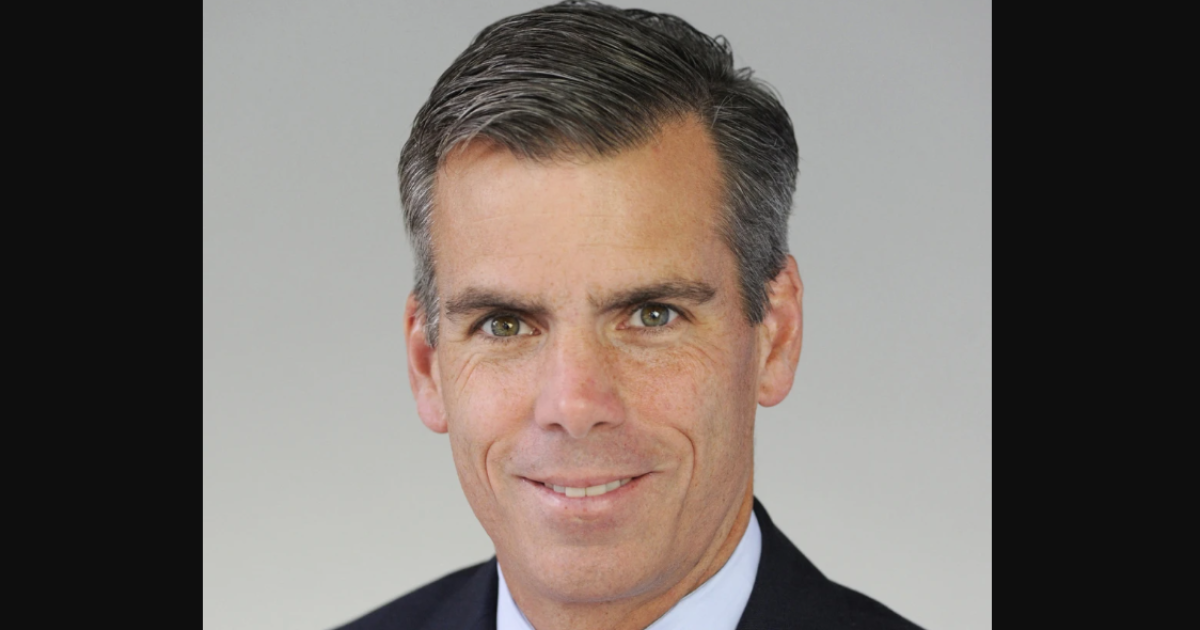
Truist Financial is leaving the near-prime auto lending business, a move that marks the first major strategic shift under new CEO Michael Lyons. The Charlotte, North Carolina-based bank announced it has agreed to sell $5.5 billion of auto loans, effectively clearing out the assets of its auto-lending subsidiary, Regional Acceptance Corp. The deal is expected to close in the third or fourth quarter of this year. Truist did not disclose the buyer.
Strategic Shift Under New Leadership
Mike Maguire, Truist’s chief financial officer, said the decision to exit the business stems from a framework championed by Lyons, who became CEO on September 1. Lyons, a 30-year banking veteran who most recently led the fintech Fiserv, has brought what Maguire described as “urgency and intensity” to a companywide review of which businesses are working and which are not.
“Mike’s applying a framework that I think everybody can appreciate,” Maguire said Tuesday at the Barclays Global Financial Services Conference in New York. “In the simplest form, it’s going to be focusing on fewer things that frankly leverage our strengths.”
Maguire added that if businesses or assets don’t fit the bank’s strategic eye and economics, “then we’re going to stop doing them.”
Credit Quality Concerns Drive Decision
The CFO pointed to a “pretty compelling financial case” for dropping Regional Acceptance Corp. Although the loans were relatively high-yield, they also suffered from many delinquencies and charge-offs. In the second quarter, Truist’s non-performing indirect auto loans reached $569 million, making up about one-third of the company’s total non-accruing assets.
“The concentration in non-performing loans and charge-offs in this business … creates an opportunity to really improve our overall credit profile,” Maguire said.
In a securities filing, Truist said it expects the sale to reduce net charge-offs as a share of total loans by about 10 basis points annually, as well as bring “modest” improvement to earnings and return on tangible common equity.
Analyst Sees More Divestitures Ahead
Gerard Cassidy, an analyst at RBC Capital Markets, viewed the move as part of Lyons’ broader strategy, which he expects to continue.
“New CEO Mike Lyons has moved swiftly in his first 15 days on the job,” Cassidy wrote in a research note on Tuesday. “We also believe further divestitures are likely as Lyons repositions Truist for stronger growth and profitability over the next three years.”
The narrowing-down process began before Lyons arrived. Earlier this year, Truist stopped originating loans for recreational and marine vehicles, citing a need to “allocate capital to the highest-value opportunities across the company,” as outgoing CEO Bill Rogers put it.
Limited Relationship Potential
One problem with all three categories—near-prime auto, RV, and boat loans—is that such loans are often one-and-done transactions that rarely lead customers to other services, according to Truist.
“Regional Acceptance is typically a loan-only, loan-first national business where our opportunity to really have a meaningful relationship with these clients beyond that single loan product is extremely limited,” Maguire said.
This concern is shared by other banks that have pared down their auto-lending businesses in recent years. In 2023, Fifth Third Bancorp scaled back its indirect auto lending program, and Citizens Financial Group exited the business altogether. Both banks cited a desire to focus on developing deeper client relationships.
For Truist, the sale of its near-prime auto business is only one step in a much longer process, Maguire said.
“I think Mike’s eager to conduct that review, make those choices and then get us, frankly, back into growth mode,” he said.