

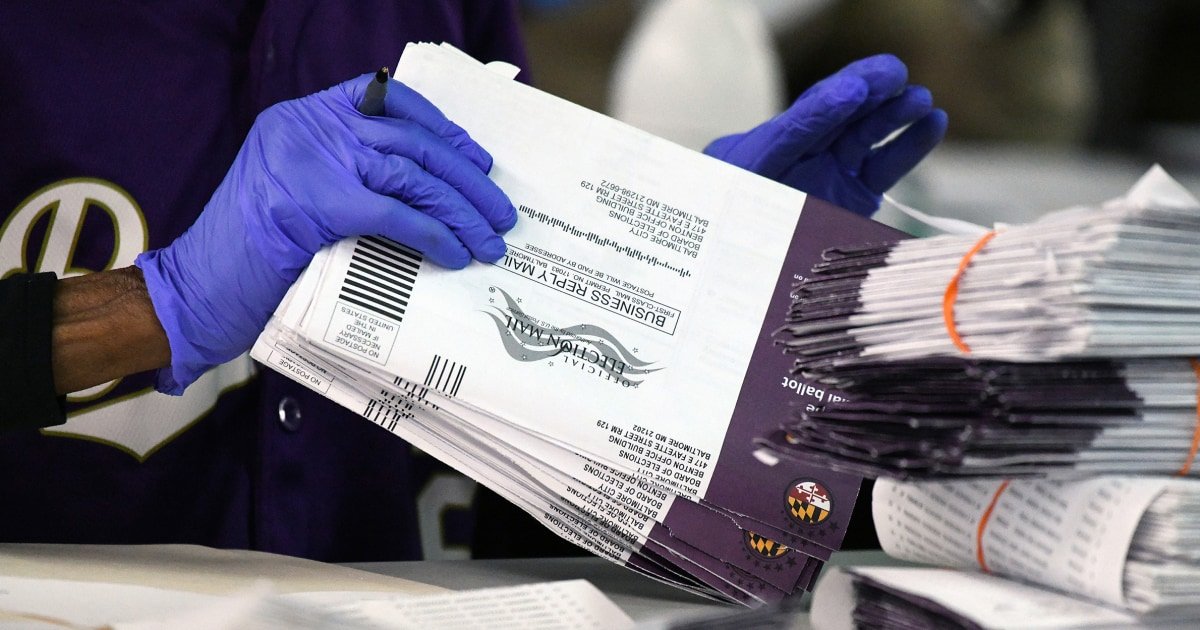
An anonymous federal official has filed a whistleblower complaint warning that the U.S. Postal Service (USPS) system designed to handle mail ballots is flawed, untested, and could cause significant disruptions in the upcoming midterm elections if it goes live. The complaint, sent to Senator Richard Blumenthal’s office, highlights concerns about the system’s rushed development and potential technical failures.
Background: The Executive Order and Its Implications
In March, President Donald Trump signed an executive order directing the creation of federal citizen lists and instructing the USPS to transmit mail ballots only to those listed individuals. This marked a significant departure from the USPS’s traditional role, which has been limited to transporting ballots between election officials and voters. The federal government has never maintained a central registry of all U.S. citizens, and the order has been blocked by a federal judge amid ongoing litigation over its constitutionality.
Whistleblower Allegations: A System Built in Chaos
The whistleblower, represented by Whistleblower Aid, alleges that the USPS did not begin building its ballot verification portal in earnest until June, leaving less than three months to complete a system that would typically require nine to twelve months of development. The complaint describes the process as “rushed, chaotic, and fundamentally flawed,” with workers fearing the system would crash.
Technical Flaws: Batch Rejection Risks
One of the most concerning issues cited is the system’s handling of bulk mailings. According to the complaint, if a single barcode on one ballot in a batch of 10,000 fails to scan during verification, the entire batch is rejected and sent back to the state, effectively halting the mailing of all ballots. This design flaw could lead to widespread delays and disenfranchisement, even under normal circumstances where barcode scanning errors are predictable.
Development Timeline and Court Orders
The whistleblower also claims that USPS workers were instructed to continue developing the system despite court orders blocking its implementation. The project was originally scheduled for public release on Tuesday, but the complaint describes the state of the system just days before as a “s— show,” indicating a lack of readiness.
Senator Blumenthal’s Response
Senator Blumenthal, a member of the Homeland Security and Governmental Affairs Committee, has sent the complaint to Postmaster General David Steiner, requesting more information. In a call with reporters, Blumenthal criticized the administration’s approach, stating, “This administration seems hell-bent on changing the framework of casting ballots in this country, clearly for political reasons. It is unconstitutional, as is argued in the courts by the litigation that is ongoing, but this disclosure indicates that it is also blatantly incompetent and incapable of actually delivering ballots that are lawful in this midterm election.”
Potential Impact on Voters
If the system is implemented, it would create a massive new workload for election officials and impose hurdles for millions of voters who rely on mail-in ballots. The batch rejection mechanism could disproportionately affect states with large mail-in voting populations, leading to delays and potential disenfranchisement.
Lack of Official Response
Neither the USPS nor the White House has responded to requests for comment on the whistleblower complaint. The ongoing litigation over the executive order’s constitutionality adds another layer of uncertainty, as the system’s future remains unclear.
As the midterm elections approach, the whistleblower’s warnings underscore the risks of implementing a complex, untested system in a high-stakes environment. Election officials and voters alike will be watching closely to see how the courts and the USPS respond to these serious allegations.