

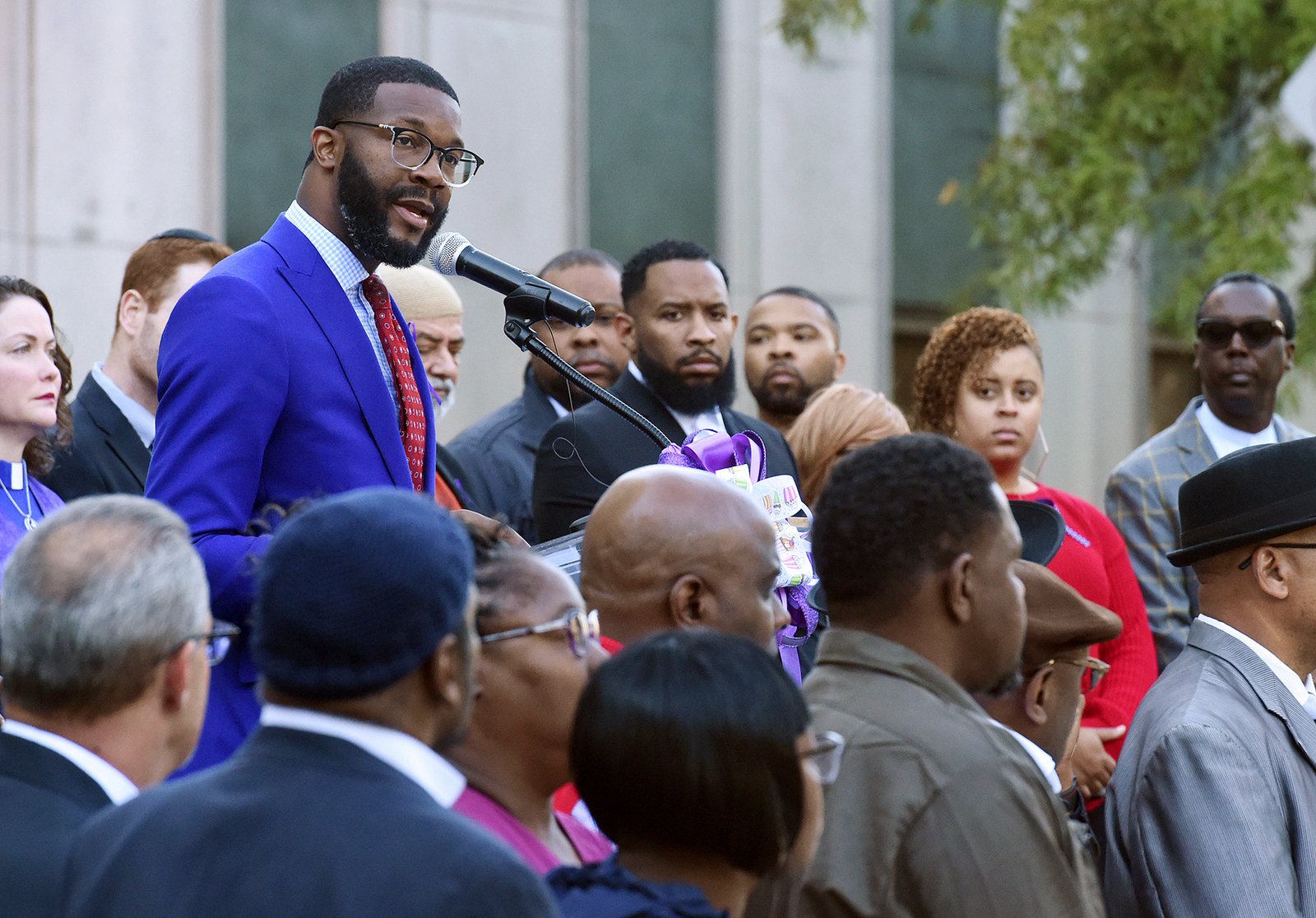
For decades, Birmingham, Alabama, has grappled with a reputation for violence that dates back to its industrial heyday. But a significant shift is underway. After recording its deadliest year in nearly a century in 2024, the city has seen a dramatic reduction in homicides, prompting questions about what’s driving the change and whether it can be sustained.
A Historic Turnaround
In 2024, Birmingham recorded 153 homicides, the highest number since at least the 1930s, giving it a homicide rate roughly double that of Detroit or Chicago. However, the first six months of 2026 have seen just 24 homicides—a 70% drop from the same period in 2024, when 80 people were killed by mid-year. This puts the city on track for one of its lowest homicide rates on record.
The Mayor’s Strategy: A Multi-Pronged Approach
Mayor Randall Woodfin, who has personal experience with gun violence—having lost his brother, nephew, and brother-in-law—attributes the decline to a comprehensive, collaborative strategy that goes beyond traditional policing.
Collaboration and Community Input
Woodfin emphasizes that City Hall doesn’t have all the answers. He convened a commission of corporate leaders, small-business owners, faith leaders, educators, and community activists, which produced 82 recommendations. The city has acted on more than two-thirds of them in under two years.
Investing in Law Enforcement
The city drew $16.1 million from its reserve account to fund an aggressive recruitment and retention plan for police officers. This investment has brought the department to 100% of its budgeted staffing, enhancing visibility, patrol, and investigative capacity. A new police chief, Michael Pickett, has also been credited with improving morale and providing officers with needed resources and technology.
Treating Gun Violence as a Public Health Crisis
Birmingham’s health department declared gun violence a public health crisis, leading to partnerships with the University of Alabama at Birmingham Hospital and community organizations. These groups focus on conflict resolution, dispute intervention, and de-escalation, both on the streets and in hospital settings.
Place-Based Revitalization
The city has invested $25 million over eight years to remove blight and clean up overgrown lots. Woodfin believes that improving the physical environment sends a message that the community is cared for, which can deter violence.
Focused Deterrence and Accountability
While community-based efforts are crucial, Woodfin stresses that holding criminals accountable is paramount. The police department has achieved a clearance rate of over 90% for homicides, meaning that in most cases, an arrest is made. This sends a clear signal that gun violence will not be tolerated.
Sustaining the Progress
Many cities used federal American Rescue Plan funds to support violence intervention programs, but those funds are expiring. Birmingham has transitioned to using its general fund, allocating $1.5 million last year and doubling that to $3 million in the current fiscal year. This funding is managed independently, with a focus on measurable results.
Local Leadership, Not Federal Intervention
Woodfin is clear that the decline in Birmingham’s violence is a local achievement. He notes that the city did not seek or receive federal intervention, such as National Guard deployment, and credits local residents, police officers, and community organizations for the progress.
Looking Ahead
Woodfin remains hopeful but realistic. He acknowledges that public safety efforts work in waves, but believes that sustained commitment and resources can maintain the positive trend. The key, he says, is to make the reality of a safer city match the perception, ensuring that Birmingham’s reputation finally catches up with its progress.