

In an era where digital devices are ubiquitous, one of the most pressing concerns for parents, educators, and policymakers is how smartphones and social media are reshaping the lives of young people. The conversation has moved beyond simple screen-time debates to a deeper examination of the psychological and social consequences of growing up online. Social psychologist Jonathan Haidt has emerged as a leading voice in this discussion, offering research-backed insights and practical guidance for reclaiming a healthier childhood.
The Growing Concern Over Digital Childhood
Over the past decade, the rapid adoption of smartphones and social media platforms has coincided with a noticeable decline in adolescent mental health. Studies have linked heavy usage to increased rates of anxiety, depression, and loneliness among teens. While correlation does not equal causation, the pattern is consistent enough to warrant serious attention. Parents today face a unique challenge: how to navigate a world that their own childhoods never prepared them for.
Why This Conversation Matters Now
The urgency stems from the fact that childhood is a critical period for brain development, social skill acquisition, and identity formation. When these formative years are dominated by algorithm-driven feeds and curated online personas, the natural processes of play, face-to-face interaction, and unstructured exploration can be displaced. The result is a generation that may be more connected digitally but less connected to themselves and others.
Jonathan Haidt’s Perspective on the Digital Crisis
Jonathan Haidt, a social psychologist and author, has spent years studying the intersection of morality, culture, and technology. His work has brought attention to the specific mechanisms through which social media undermines healthy development, particularly for girls and young women. Haidt argues that the shift from a play-based childhood to a phone-based childhood has fundamentally altered the way children learn to cope with risk, boredom, and social conflict.
Key Insights from His Research
- Delayed Adulthood: The constant presence of smartphones can delay the development of independence and resilience, as children are less likely to engage in unsupervised activities.
- Social Comparison: Platforms that encourage constant comparison can erode self-esteem, especially during the vulnerable years of early adolescence.
- Sleep Disruption: The blue light and stimulating content of screens interfere with sleep patterns, which are essential for emotional regulation and cognitive function.
Practical Steps for Parents and Communities
While the challenges are significant, there are actionable strategies that families and schools can adopt to mitigate the negative effects of digital media. The goal is not to eliminate technology but to create boundaries that allow for a balanced childhood.
Establishing Healthy Boundaries
- Delay Smartphone Ownership: Consider waiting until high school to give a child a smartphone, and start with a basic phone for calls and texts.
- Create Tech-Free Zones: Designate times and places, such as meals or bedrooms, where screens are not allowed.
- Encourage Real-World Play: Prioritize unstructured, outdoor play and in-person social activities that build social skills and creativity.
- Model Mindful Use: Children learn more from what parents do than what they say. Demonstrate healthy screen habits yourself.
The Role of Schools and Policy
Schools can also play a pivotal role by implementing policies that limit phone use during the school day, providing digital literacy education, and fostering environments that promote face-to-face interaction. On a broader scale, policymakers and tech companies have a responsibility to design products that prioritize child safety and well-being over engagement metrics.
An Upcoming Event to Deepen the Conversation
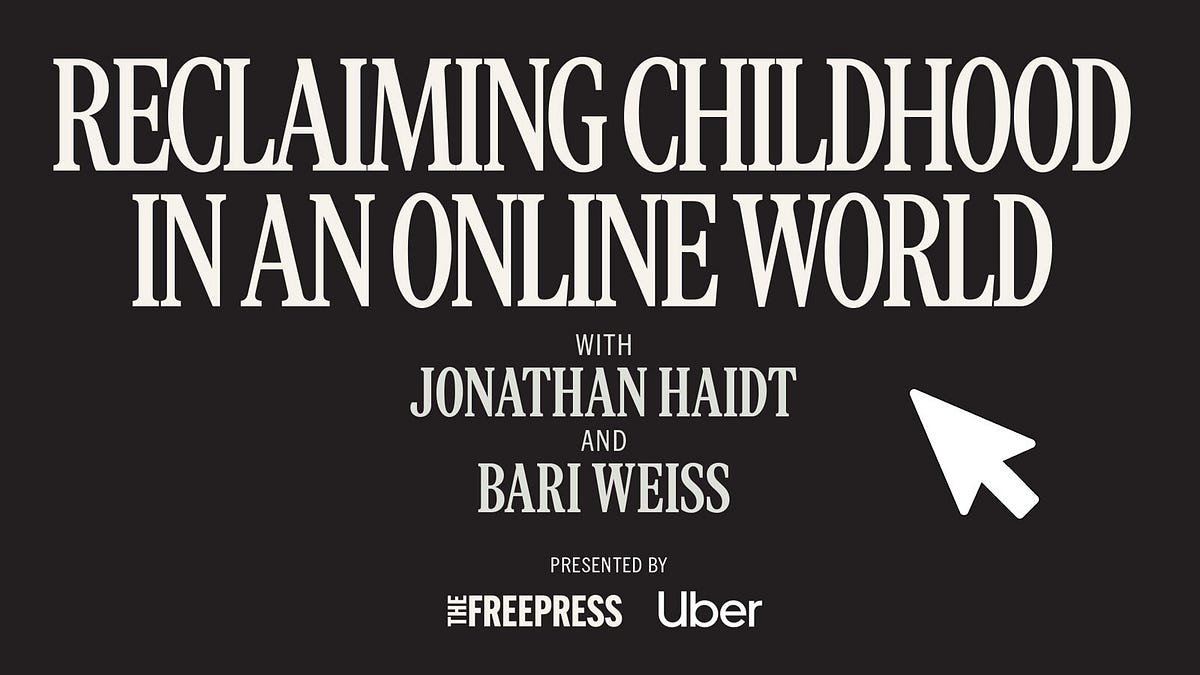
For those interested in exploring these issues further, an exciting opportunity is on the horizon. Jonathan Haidt will join Bari Weiss live in New York City on Wednesday, October 22, at 7 p.m. at the Ambassador Theatre. This event promises to be a thought-provoking evening, delving into the evidence and offering a roadmap for reclaiming childhood in an online world. Attendees will have the chance to hear directly from one of the most influential thinkers on this topic and engage in a dialogue that is both timely and essential.
Conclusion: A Call to Action
The digital age is not going away, but neither should our commitment to raising healthy, resilient children. By understanding the risks, implementing practical safeguards, and advocating for systemic change, we can ensure that the next generation enjoys the benefits of technology without sacrificing the fundamental experiences of childhood. The time to act is now—for the sake of our children and the future we share.