

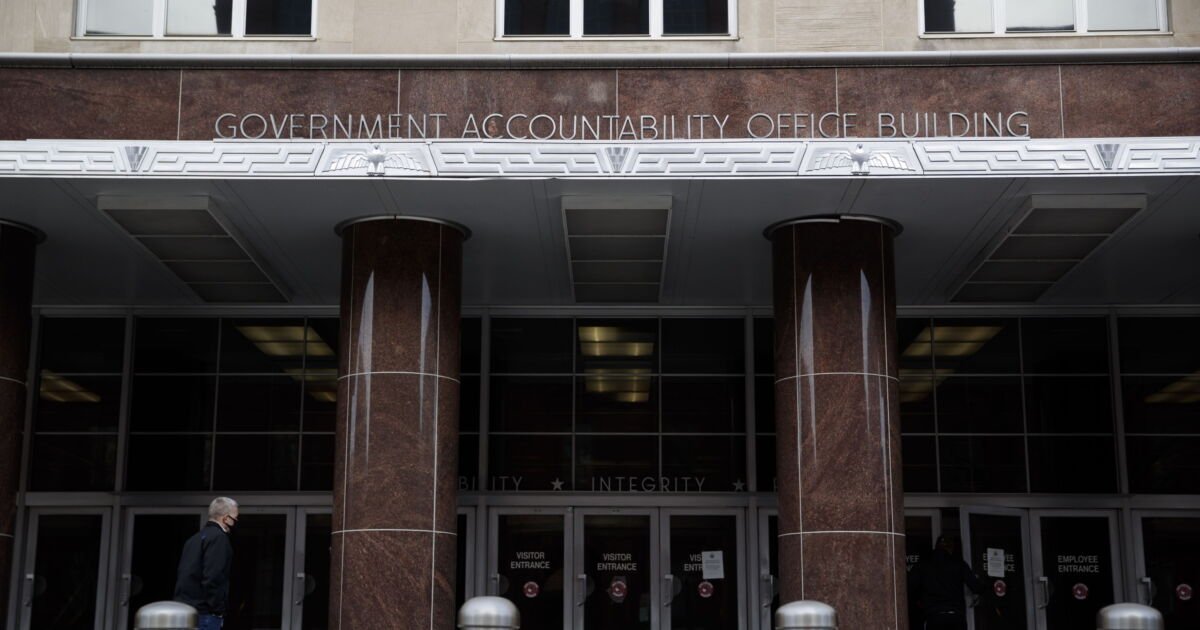
The Government Accountability Office (GAO) has released a report indicating that two of the three banks that failed in spring 2023 operated under a less rigorous investor-disclosure oversight framework compared to most publicly traded companies. This gap may have left investors with an incomplete understanding of the risks at First Republic Bank and Signature Bank prior to their collapse.
Key Findings on Disclosure Oversight
The GAO found that banks without a holding company—such as First Republic and Signature—are subject to different disclosure requirements than public companies reviewed by the Securities and Exchange Commission (SEC). As a result, investors in these banks may have had less information to assess financial risks. The combined failure of these two banks cost investors approximately $29 billion between the end of 2022 and May 2023.
While the SEC typically reviews public companies’ disclosures on risks that could influence investor decisions, there are 11 public banks—including two with assets exceeding $80 billion—that do not undergo such qualitative assessments because they lack a holding company. Congress has assigned this oversight responsibility to bank regulators instead of the SEC, but the GAO determined that these regulators do not evaluate disclosures with investors’ interests in mind.
Specific Gaps Identified
The GAO report highlighted that First Republic and Signature did not disclose when they breached internal thresholds for interest rate or liquidity risk, nor did they explain how they addressed these breaches. The SEC also identified other banks with potentially improvable disclosures on these risk topics. However, the SEC has not provided public guidance on how companies should assess whether such breaches are material to investors.
The GAO recommends that the SEC issue informal staff guidance to help companies evaluate the materiality of interest rate and liquidity risk tolerance breaches, especially during periods of rising interest rates. This would provide investors with the information needed to make informed decisions.
SEC Response and GAO Clarification
The SEC disagreed with the GAO’s recommendation, arguing that internal risk-tolerance metrics vary widely across institutions. In response, the GAO clarified that it does not seek a uniform disclosure standard. Instead, the recommendation aims to encourage the SEC to offer guidance that acknowledges the diversity of these metrics while still improving transparency.
The GAO noted that its report includes examples of SEC staff feedback to certain bank holding companies regarding potential disclosure improvements related to interest rate and liquidity risk management.
Implications for Policy
The GAO suggests that Congress should reconsider which agencies are responsible for reviewing disclosures from publicly traded banks without holding companies. This reassessment could help determine whether changes are needed to strengthen investor protection in the banking sector.