

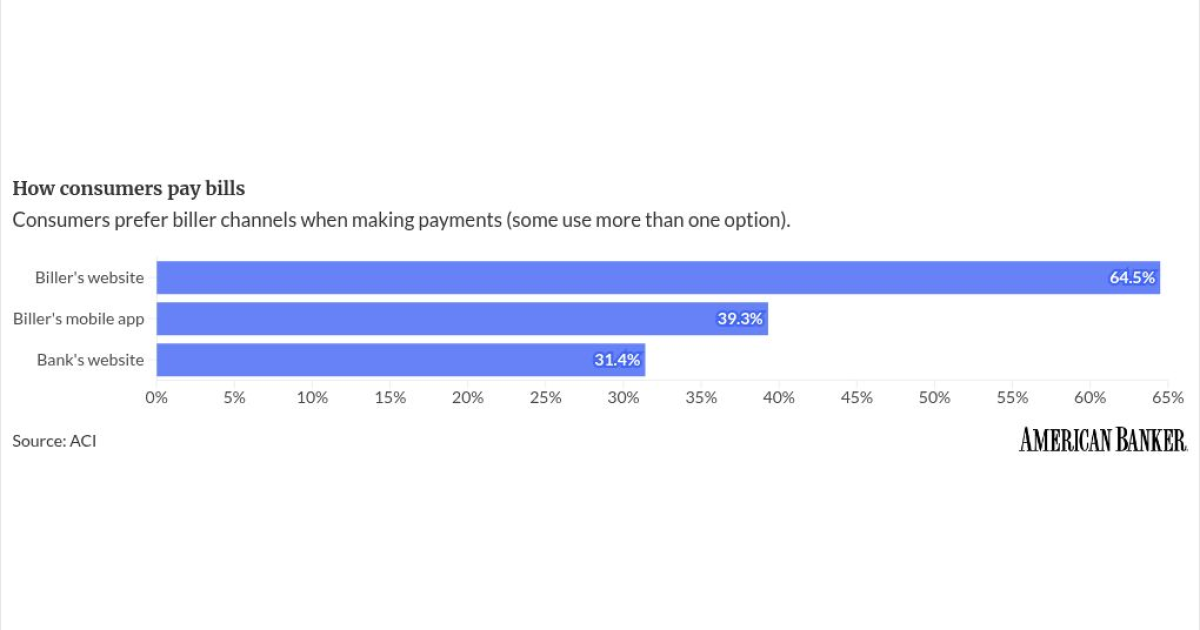
The way Americans pay their bills is undergoing a significant transformation. According to the 2026 ACI Speedpay Pulse Report, consumers are increasingly favoring direct biller channels and debit cards over traditional bank-based payment methods. This shift presents both challenges and opportunities for financial institutions aiming to maintain relevance in the evolving payments landscape.
Debit Cards Gain Ground Over Credit Cards
The report reveals a notable rise in debit card usage for bill payments since the pandemic, with usage climbing to 52.7% in 2025, compared to 41.3% for credit cards. This trend reflects a broader consumer preference for spending within available means, avoiding interest charges, and gaining real-time visibility into account balances. Debit payments also provide instant confirmation and natural spending controls, which are particularly appealing to households managing tight budgets.
Generational Preferences Highlight Debit’s Appeal
Generational data underscores the widespread adoption of debit cards. Nearly 75% of Gen Z bill payers use debit, making it their most common payment method. Millennials follow at 64.6%, while Gen X usage stands at 49.7%. Baby boomers, though lower at 31%, show the highest usage in the study’s history. Ron Shultz, general manager of ACI Speedpay, emphasized to American Banker that banks must reinforce the benefits of debit to retain consumer engagement, especially as payments increasingly occur outside bank websites.
Mobile and Digital Channels Surge
Between 2019 and 2025, mobile and digital-first payment options grew substantially. Mobile wallets emerged as the fastest-growing bill pay channel, with a compound annual growth rate (CAGR) of 17.6%. Biller mobile apps saw the largest absolute increase, rising 16.9 percentage points to 39.3%, while bank mobile apps nearly doubled to 18.8%. Conversely, mail and in-person payments declined significantly, each dropping by roughly 13 to 14 percentage points. The report concludes, “Consumers are not simply going digital, they are going mobile.”
Biller Direct Sites Overtake Bank Websites
Consumers are increasingly choosing to pay bills directly on biller websites and apps rather than through their bank’s platform. In 2025, 64.5% used a biller’s website, 39.3% used a biller’s mobile app, and only 31.4% used a bank’s website. This shift is particularly pronounced among younger generations. For instance, Gen Z showed a sharp increase in biller app usage, reaching 52.5%, and 58.7% used biller websites, compared to just 18.1% using bank websites.
Shultz explained that paying directly on a biller’s site offers immediate satisfaction and confirmation, whereas bank-site payments may take days to process. He noted, “You just don’t have that visibility because there’s not enough connection between the bank and the utility to make that connection.”
Consumers Seek Enhanced Management Tools and Flexibility
The report also highlights growing demand for billing-related services that help consumers manage their finances. Amid financial pressures, consumers want tools for better money management, including flexible payment timing aligned with income cycles, split payments, customizable reminders, and predictive notifications. They also value clear due dates and proactive alerts to avoid late fees and missed payments.
“Billers who deliver visibility, flexibility, and guidance can reduce financial stress, strengthen trust, and become a partner in customers’ financial lives,” the report stated. For banks, this suggests an opportunity to enhance their bill pay offerings with similar features to retain consumer loyalty.
As the payments landscape evolves, financial institutions must adapt by emphasizing the benefits of debit, improving mobile experiences, and offering tools that meet consumers’ desire for control and convenience. The data from the ACI Speedpay Pulse Report serves as a call to action for banks to innovate and stay competitive in a rapidly changing environment.