
A U.S. Air Force weapons systems officer whose F-15E was shot down over Iran in April has described his survival ordeal in an interview with CBS’ “60 Minutes.” The officer, identified only by his mission call sign “Bravo” because of security threats from the Iranian regime, spoke with correspondent Norah O’Donnell in the lead segment of the program’s 59th season premiere.
The Attack and Ejection
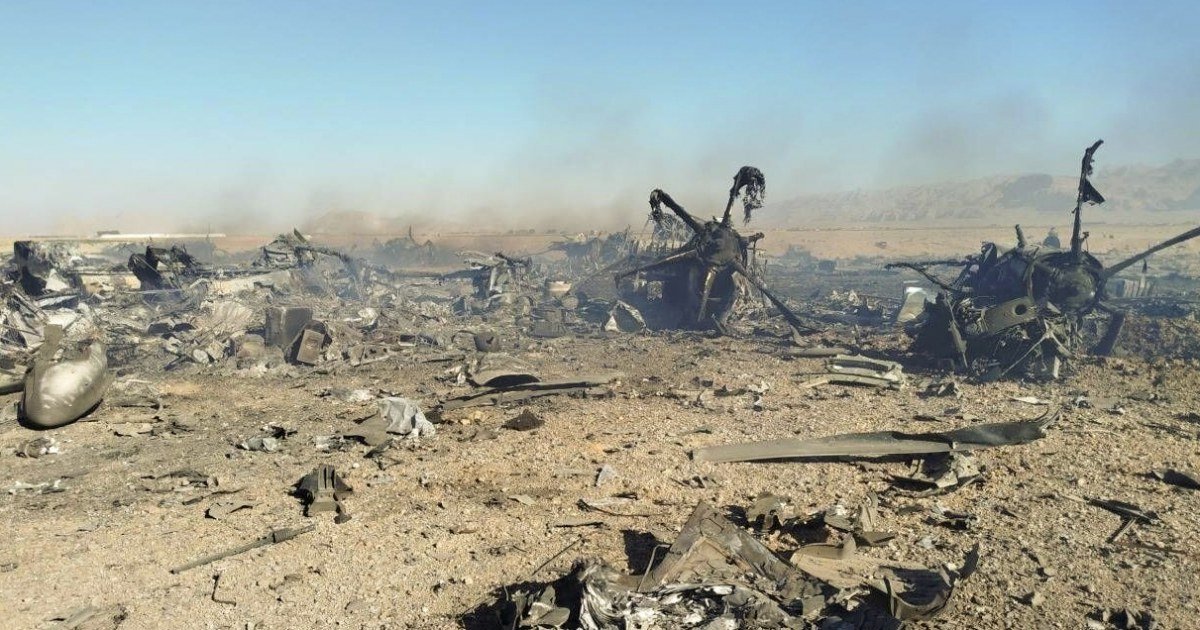
Bravo said he felt as if he had been “hit by a freight train” when a shoulder-fired missile struck the two-seat fighter jet on April 2. The other officer, his pilot and crewmate known as “Alpha,” hit the eject button.
“I will be thankful to my dying day for my pilot and crewmate, Alpha, for saving our lives and ejecting us,” Bravo told O’Donnell.
Free-Fall and a Damaged Parachute
After ejecting, Bravo said he began “free-falling” toward a rugged mountainous area. When he looked up, he saw that his parachute had been damaged in the missile attack. He called the sight “the most terrifying thing I’ve ever seen.”
Military professionals estimate he hit the Iranian desert somewhere between 70 and 100 mph, he said, adding that his survival was a “modern-day miracle.”
Injuries and Evasion
According to “60 Minutes,” the fall broke Bravo’s back, arm and shoulder. Despite those injuries, he managed to hike and climb a 7,000-foot ridgeline to evade capture. He was stranded behind enemy lines for two days without food or water before two elite Air Force pararescue operators reached him.
“Let’s go,” Bravo said he told his rescuers. “60 Minutes” characterized the search-and-rescue operation as one of the most complex and risky in U.S. military history. The segment did not include an interview with Alpha, who landed 5 miles away after they ejected from the F-15E.
A Revamped ’60 Minutes’
The season premiere marked the show’s return after a summer of turmoil at the broadcast newsmagazine. CBS News Editor in Chief Bari Weiss undertook a sweeping shake-up in late May, naming technology journalist and documentarian Nick Bilton as executive producer, cutting ties with a group of senior leaders and letting go of correspondents Cecilia Vega and Sharyn Alfonsi.
Veteran correspondent Scott Pelley criticized Bilton at a June 1 staff meeting, questioning his qualifications and objecting to the ousters of Vega and Alfonsi. Pelley was fired the next day. Alfonsi had previously clashed with Weiss over a segment about the Trump administration’s deportation of Venezuelan men to a prison in El Salvador.
Weiss and Bilton have since hired new on-air talent, including Ross Douthat, a former opinion columnist at The New York Times who is now a “60 Minutes” correspondent, and Sebastian Junger, a reporter and author who became a contributor. Bilton announced in late July that O’Donnell had been elevated to full-time correspondent.
Sunday’s premiere offered a glimpse of the revamped program, with slight adjustments to its on-air graphics. The other segments that aired were an investigation into “brokers” paid to seek pardons from the Trump administration and an inside look at the Los Angeles Rams football franchise. In the episode’s final minute, Douthat said “60 Minutes” was planning stories about the artificial intelligence boom.
“We may have a narrow window — this year, not the next 10 — to make artificial intelligence safe for humanity. That clock is ticking, and so is ours,” Douthat said, accompanied by the show’s signature “tick-tick-tick” sound effect. “For almost 60 years, it has meant the same thing: journalism you can trust. Where we’re headed, we’re going to need it.”