

Opening a banking app to check a balance is routine for many people. But when apps go further and analyze spending patterns, the results can be surprising—and not always welcome. A recent personal experience with a spending analysis highlighted a growing tension: just because an app can categorize purchases and provide feedback doesn’t mean those insights are helpful or empathetic.
The Double-Edged Sword of Spending Analytics
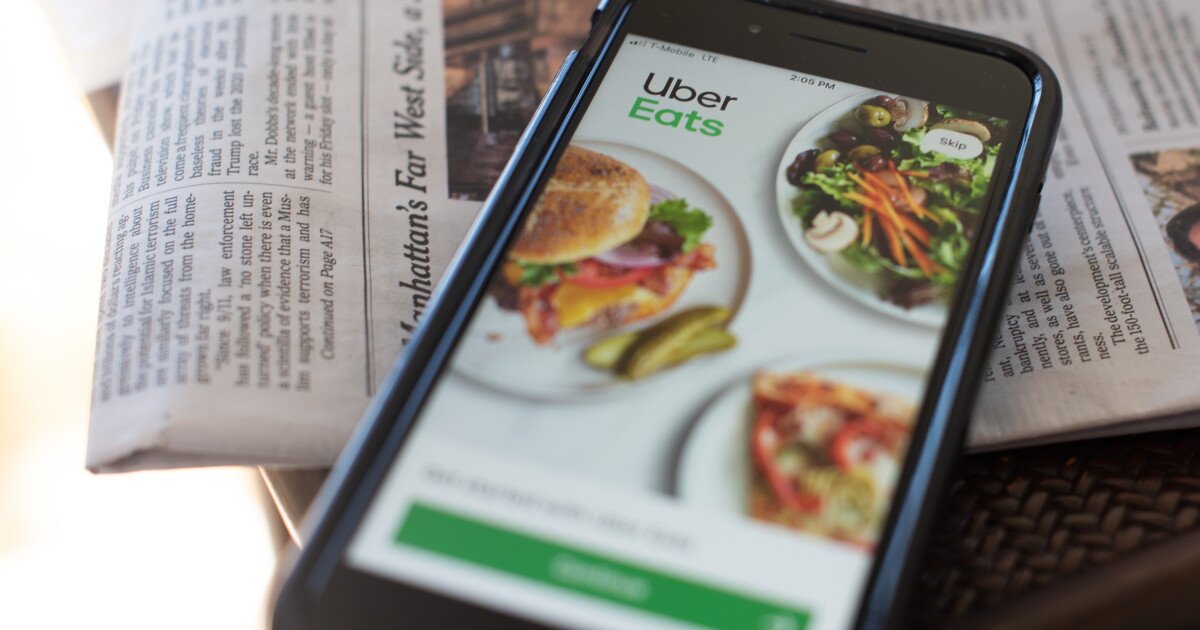
After reading about a personal finance agent, one user decided to explore their bank app’s features. Clicking into a monthly spend analysis revealed that Uber Eats orders had topped $275 across 12 transactions. The number stood out—not because the user was unaware of their spending, but because seeing the lump sum of smaller charges felt like a judgment. That month, the user had spent more due to a personal loss: their dog had died, and cooking felt overwhelming.
This kind of reveal doesn’t offer a solution. It simply states a fact that the user already knew: planning meals would save money. But it fails to account for the emotional context behind the spending. Similarly, seeing a count of dog beds purchased for a beloved pet who has since passed can evoke sadness rather than motivation to change habits.
When Insights Become Intrusive
The line between helpful and harmful is thin. In Europe, digital bank Monzo faced backlash for sending customers Spotify Wrapped-style annual spending recaps with playful messaging. One customer with a past eating disorder was told she spent “more than most” on takeout and had “banished her life goals” through her spending choices. What some found fun, others found deeply upsetting.
For those who enjoy a bit of banter, apps like Cleo offer roasting-style feedback. But many people would prefer to choose what kind of recap they receive. Spending is different from music taste: playing a breakup song on repeat doesn’t carry the same weight as seeing the exact amount spent on therapy, late-night ice cream, or extra yoga classes. Moreover, such insights often arrive too late to be useful.
What Works Better: Group Data and Actionable Steps
Insights tied to a group can feel less personal and more constructive. For example, across bills linked by more than 100,000 Atomic users, the average annualized spend is $941. While this figure may be understated because consumers often link only some bills, it offers a direction: if you’re spending around $1,000 per year on recurring payments, it’s worth checking whether some subscriptions are barely used and could be canceled or paused.
This isn’t about skipping Netflix to save a few dollars. It’s about pairing a provoking insight with a next step. A spending recap that simply shocks without offering a path forward can leave users feeling shame rather than empowered.
The Role of Empathy in Design
Frida Leibowitz, founder and CEO of fintech startup Debbie Rewards, advocates for a goals-oriented approach to money. “Instead of thinking about how to not spend or not do certain things, you think about how to add money to your savings actively, or pay down specific debt,” she said. “You think about the dos, as opposed to the don’ts.”
That positive framing may explain why JD Power data found that 27% of consumers said they found AI somewhat or significantly helpful in managing their personal finances. Among those who are financially vulnerable or stressed, that number rose to 48%. Jim Miller, vice president of financial services at JD Power, noted that the anonymity of AI is beneficial for clients who might avoid discussing their finances in person. “They don’t have the embarrassment,” he told American Banker.
Simple suggestions can also help. Imagine if a $275 Uber Eats bill came with an option to cap next month’s orders or move money into savings. That’s more useful than sticker shock alone.
Designing for Different Users
As money insights become more common on LLMs, fintech apps, and bank apps, empathy in design matters more than ever. Reminders of spending patterns aren’t for everyone. For some, they could provoke painful memories. Banks should skip Monzo-style recaps, supply actions instead, and save the banter for consumers who ask for it. Otherwise, people may simply stop opening the app that offends them.
As for the Uber Eats spending, cutting back may become easier after a move. Until then, avoiding the insight might be the most practical choice.