

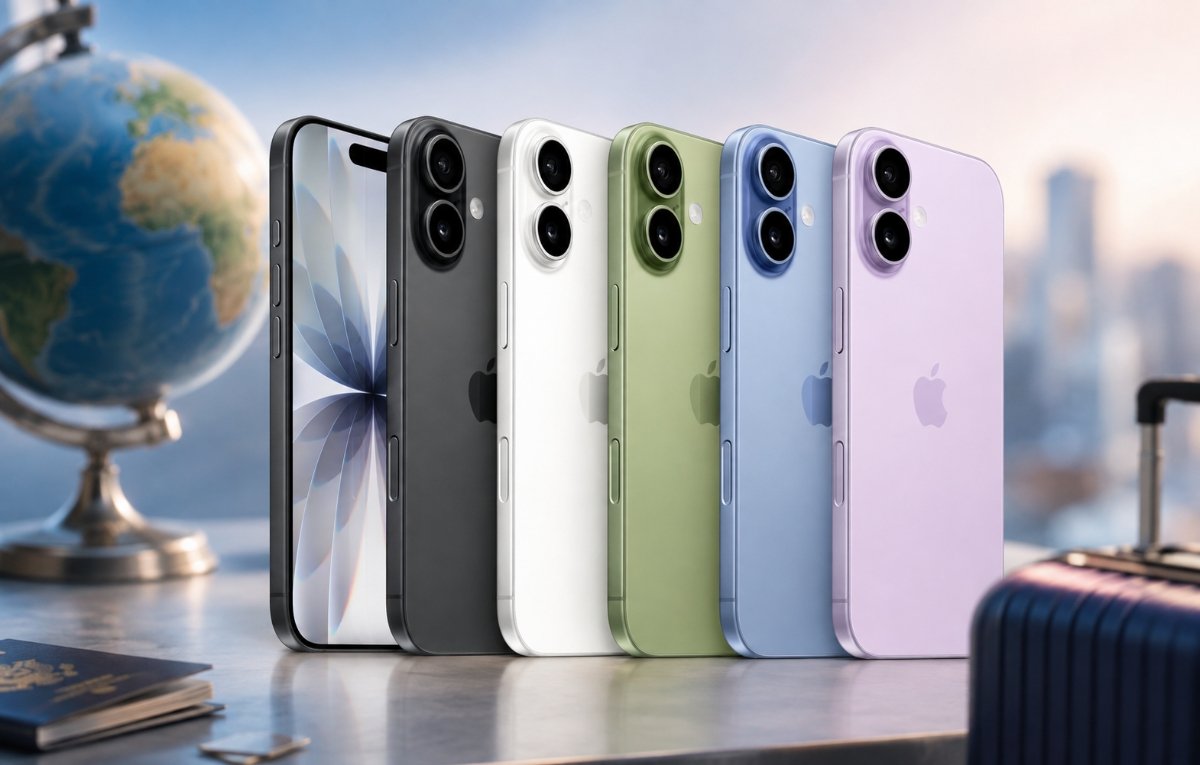
Apple’s iPhone 17 maintained its position as the world’s best-selling smartphone in the second quarter of 2026, according to new data from Counterpoint Research. The report also highlights the continued dominance of Apple and Samsung, which together captured all ten spots on the global bestseller list.
Apple’s iPhone 17 Series Dominates the Top Three
The standard iPhone 17 accounted for approximately 6% of all global smartphone sales during Q2 2026, retaining the top spot it first claimed in Q1. Following closely, the iPhone 17 Pro Max secured second place, while the iPhone 17 Pro took third. This strong showing underscores Apple’s ability to appeal across both premium and mainstream segments.
Counterpoint analysts attribute the iPhone 17’s sustained success to significant upgrades that narrowed the gap between the base model and the Pro versions. This made the standard iPhone 17 a more attractive option for consumers seeking a flagship experience without the higher price tag of the Pro lineup.
Samsung’s Galaxy S26 Ultra Leads Android Sales
In fourth place, the Galaxy S26 Ultra emerged as Samsung’s top performer and the best-selling Android smartphone of the quarter. This marks the first time that Samsung’s most expensive flagship has outsold all other Android devices during Q2. The achievement is linked to increased marketing investments aimed at protecting profit margins amid rising manufacturing costs.
Meanwhile, Samsung’s budget-friendly Galaxy A series continued to perform well in lower price tiers, helping the company maintain a strong presence across various market segments.
Apple and Samsung Control the Top 10
Apple and Samsung collectively held all ten positions on the global bestseller list, accounting for about 26% of total smartphone sales worldwide. This represents a two-percentage-point increase compared to the same period last year. The growth is attributed to strong performances in markets outside their traditional strongholds.
Apple saw notable gains in India, Japan, the Middle East, and Africa, with sales in South Korea nearly doubling year-over-year. Samsung also benefited from increased demand in emerging markets, supported by aggressive promotional strategies and carrier partnerships.
Market Trends: Premiumization and Declining Overall Sales
The global smartphone market contracted by 11% in Q2 2026, driven by component shortages and rising prices. Despite this downturn, both Apple and Samsung managed to increase their unit sales compared to the same period last year, bucking the overall market trend.
Rising smartphone prices have pushed a segment of consumers toward higher-end devices, a shift that particularly benefits Apple, whose products are typically positioned at premium price points. The continued demand for luxury smartphones, fueled by trade-in programs, promotional offers, and installment plans, has also supported the sales of iPhone 17 Pro models.
iPhone 17e and iPhone 16 Also Make the List
The iPhone 17e secured seventh place, benefiting from an update that added MagSafe support and increased storage capacity without raising the price. Strong carrier promotions in the United States and Japan further boosted its sales. The iPhone 16 rounded out the top ten, giving Apple five entries in the list—a similar presence to last year when it also had five models from the iPhone 16 and iPhone 15 series.
Outlook
Counterpoint’s data highlights the resilience of Apple and Samsung in a challenging market environment. By focusing on profitable devices and expanding their reach in diverse regions, both companies have strengthened their leadership positions. As the market continues to evolve, their strategies will likely remain key drivers of growth.