

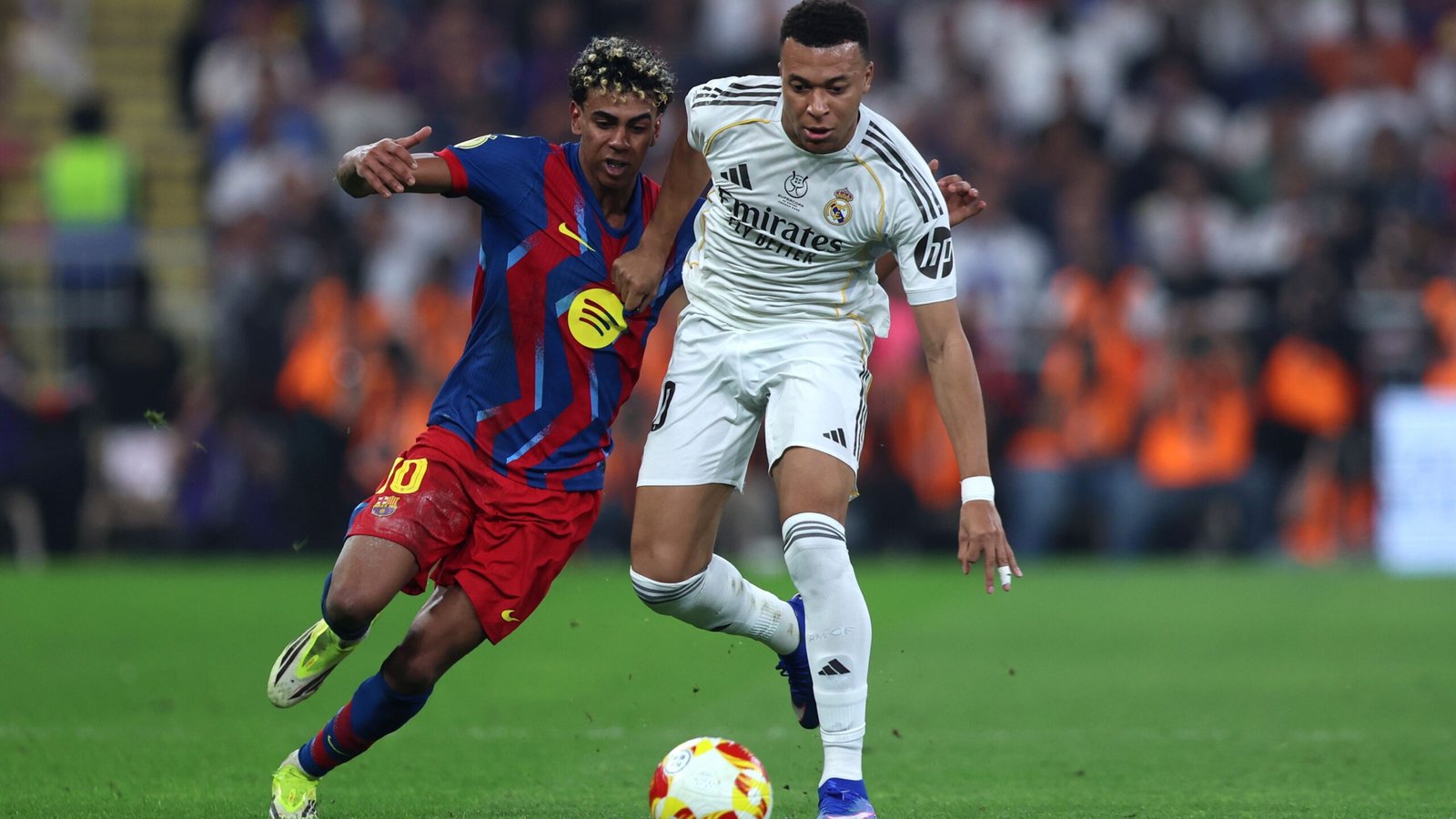
The Spanish league has launched a scathing attack on the English Premier League, accusing its clubs of operating on an economic model that is ‘based on losses’ and fuels unprecedented inflation in the transfer market. The criticism follows a summer window in which Premier League clubs vastly outspent their European counterparts.
The Spending Gap in Numbers
According to transfer market data, La Liga clubs spent approximately €748 million this summer. In stark contrast, Premier League clubs splashed out close to €4 billion. This enormous financial chasm highlights the differing economic philosophies between the two competitions.
La Liga’s Core Argument
Javier Gomez, the chief executive officer of La Liga, voiced his concerns in an interview with the Spanish newspaper El Mundo. He contrasted the approaches of the two leagues directly.
“The Spanish model is based on academies, whereas the Premier League model is based on losses,” Gomez stated.
He elaborated on the source of English spending power, arguing that it does not come from organic revenue. “If the Premier League’s revenue is double that of La Liga or the Bundesliga, it would be logical for them to spend around €1.5 billion. But they are spending close to €4 billion. This money doesn’t come from revenue; it comes from owners. This is a model that is permanently loss-making and creates inflation across the entire football sector.”
Beyond the Elite Clubs
Gomez pointed out that the financial disparity is no longer confined to the top teams. He noted that the seven highest-spending clubs in the world this summer all belong to the Premier League. Real Madrid ranked eighth, and Barcelona tenth on the list.
Perhaps the most striking example of this financial power is newly promoted Ipswich Town. The club reportedly spent close to €200 million, a figure that Gomez suggests is unattainable for most Spanish clubs.
A Call for Financial Sustainability
La Liga officials have reiterated that their financial control rules, which have been in place for several years, are designed to ensure the long-term sustainability of clubs. They argue that the English spending spree, financed by owner subsidies, artificially drives up player prices and has a negative impact on the transfer market across all European leagues.