

Iran has implemented a new pricing system for gasoline, targeting its heaviest consumers with a significant price increase. The move, announced by state media, took effect early Tuesday and marks the second such adjustment since December. The government attributes the change to the “current situation,” a phrase widely interpreted as referencing ongoing economic pressures, though it stops short of explicitly mentioning the conflict with the United States.
Details of the New Pricing Structure
Under the revised system, individuals who exceed their monthly quota of 110 liters (approximately 29 gallons) will now pay 100,000 rials (about 7 cents) per liter for the excess. This rate is double what heavy users have been paying since December. The government has stated that the additional revenue generated from this increase will be distributed directly to households, though specifics on the mechanism remain unclear.
Keramat Veis Karami, CEO of the state oil distribution company, confirmed that the new rate will affect approximately 15% of consumers. He also highlighted that daily fuel consumption reached a record 145 million liters in August, while domestic production capacity stands at 122 million liters per day, necessitating imports to bridge the gap.
Economic Context and Public Reaction
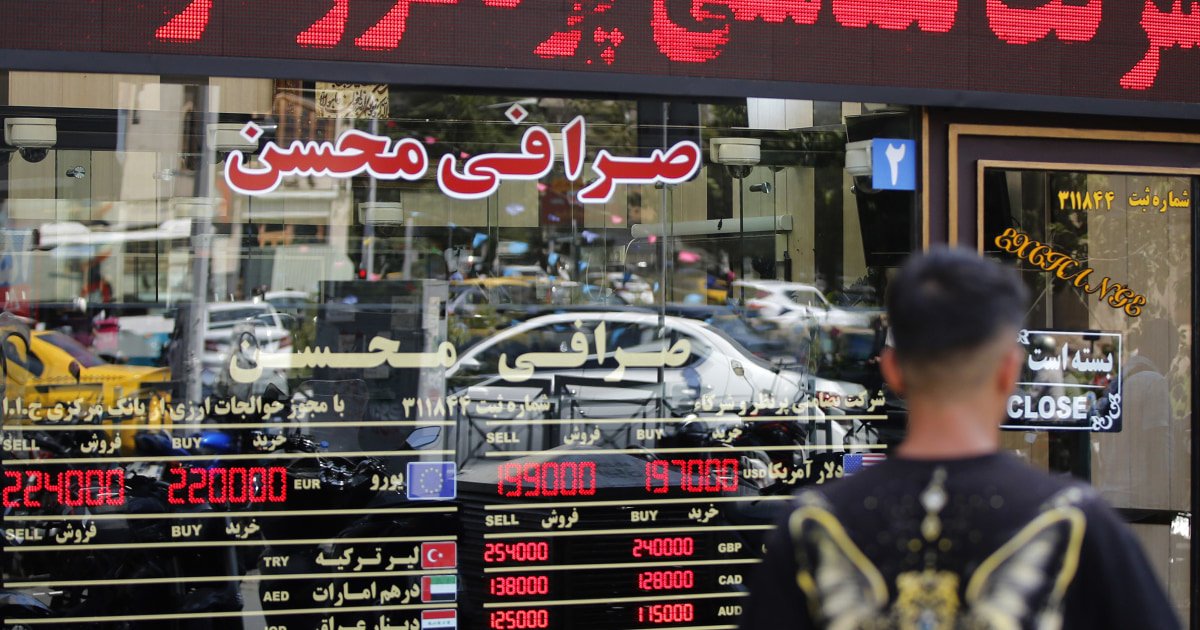
Iran currently boasts some of the lowest gasoline prices globally, yet the increase adds to the financial burden of its over 90 million citizens. The national currency has plummeted to record lows, with the U.S. dollar trading at 2.22 million rials on Monday. Annual inflation stands at roughly 67%, according to the country’s statistics center, eroding purchasing power and making basic goods increasingly unaffordable.
Public sentiment reflects deep concern. Asghar Rahimi, a 34-year-old Tehran resident, expressed skepticism about the government’s approach: “The tiny amount cannot help government to manage problems like poverty and unemployment. This was the first step. In coming months, they need to raise it again.” Another resident, Ali Salari, 55, worried about ripple effects: “It has been that way ever since government manipulated gas prices,” he said, fearing increases in food costs. Hamid Mirzei, 43, noted that a basic grocery trip for staples like beans and lentils can cost up to 100 million rials ($73), adding, “If gasoline prices go up as well, things will only get much worse.”
Historical Sensitivity and Policy Rationale
Gasoline pricing has long been a flashpoint in Iran. A price hike in 2019 sparked nationwide protests and a crackdown that reportedly killed over 300 people. Even in 1964, an increase led to mass demonstrations, forcing the shah to deploy military vehicles to replace striking taxi drivers. Cheap fuel is viewed by many as a birthright, making any adjustment politically delicate.
Economists argue that raising prices is necessary to curb excessive consumption, which is exacerbated by an aging vehicle fleet, spare parts shortages, and inadequate public transportation. However, they also caution that such increases will fuel inflation, compounding the challenges faced by households already struggling with high living costs.
Immediate Implementation and Security Measures
Within an hour of the new pricing taking effect, two of eight gas stations visited by reporters were closed to recalibrate pumps, while the remaining six were active with lines of about a dozen cars each. Security was visibly heightened, with both uniformed and plainclothes police present at the stations.
The government maintains that the price adjustment is a necessary step to manage demand and redirect funds to support households. Yet, for many Iranians, the move signals further economic hardship in a period marked by uncertainty and dwindling purchasing power.