

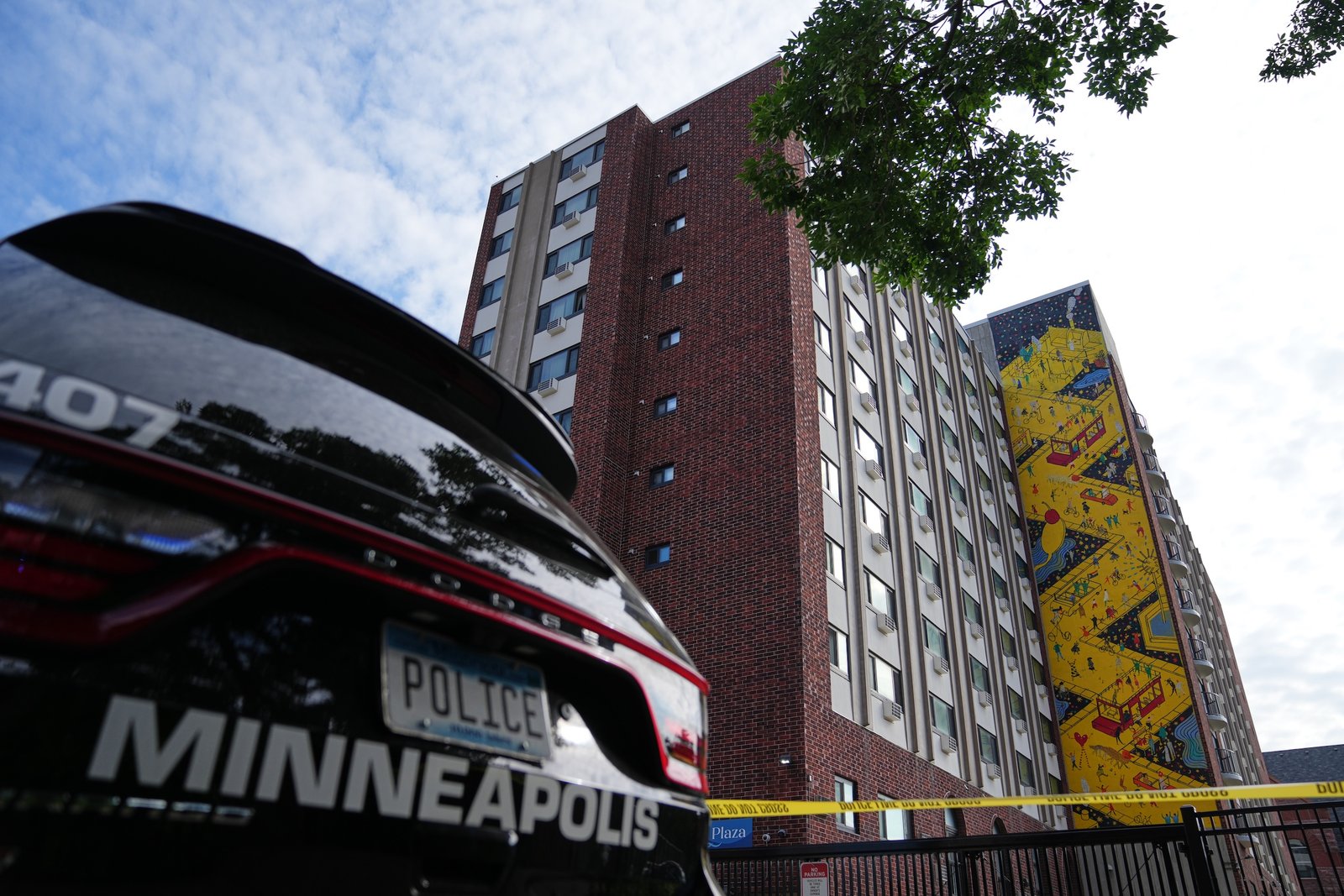
For nearly two decades, Minneapolis has relied on ShotSpotter, a gunshot detection system, to alert police to gunfire and guide them to shooting scenes. However, a recent city audit has uncovered significant gaps in how the system is monitored, leaving officials uncertain about its true impact on public safety. The audit, presented to the Minneapolis Audit Committee in August, examined the city’s use of the technology from 2023 to 2025.
Key Findings from the Audit
Michael Kawaters, director of special reviews and advisory services for the city auditor, led the review. He told the committee, “We did not review evidence that demonstrated the ShotSpotter system is achieving all intended public safety outcomes. We saw where it achieved some, not all.” The audit also noted that data limitations prevented a broader determination of the system’s validity.
Overreliance on Vendor Data
Auditors found that Minneapolis heavily depends on performance reports provided by SoundThinking, the company behind ShotSpotter, without cross-checking this information against the city’s own records. While the audit did not find SoundThinking’s data to be inaccurate, it determined that the city could use its existing 911 and police data to independently verify the vendor’s claims. Kawaters emphasized, “A lot of that coordination and a lot of that effort relies on what ShotSpotter tells the city. We didn’t see an independent effort by the city for validating that information.”
Inconsistent Tracking of Missed Detections
When city analysts identified possible missed detections, these cases were handled individually rather than being tracked in a centralized system. This lack of coordination makes it difficult to assess the system’s overall reliability and performance.
SoundThinking’s Response
In a statement to The Trace, SoundThinking defended its technology, reporting an average monthly accuracy of 97.8 percent from January 2024 through August 2026 and a false-positive rate below half a percent. The company also claimed that ShotSpotter alerts reach police within 60 seconds and have helped Minneapolis officers locate shooting victims who had not yet called 911. The statement described the system as an “enriched ‘digital call for service'” that enables officers to respond rapidly and safely, and expressed a desire to continue the partnership with Minneapolis.
Continued Use Despite Concerns
Despite the oversight gaps, the audit confirmed that ShotSpotter is regularly used by the Minneapolis Police Department. Kawaters noted that investigators rely on the system’s location data to gather evidence and build cases. He explained, “There’s high utilization from investigators and even with the accuracy concerns, it isn’t as significant a concern to investigators because if you found evidence, then it was accurate.” The Minneapolis Police Department did not respond to multiple requests for comment.
Broader Context and Future Decisions
Minneapolis is not alone in questioning ShotSpotter’s value. Chicago ended its contract with SoundThinking in 2024 after reviews raised doubts about whether the technology meaningfully improved investigations or prosecutions. Research on ShotSpotter has also shown that it has not consistently led to higher clearance rates or reductions in shootings, even though it can speed up police responses to gunfire.
The audit recommends that Minneapolis adopt a formal performance oversight plan, improving coordination among city departments and documenting how ShotSpotter’s information is used. The city has until the contract comes up for reconsideration on March 21, 2027, to demonstrate whether these changes provide clearer evidence of the system’s usefulness. Council President Elliot Payne, who had previously supported a one-year extension over a proposed three-year deal, remains skeptical. “I’m not seeing a reason to renew that contract with what we see in front of us today,” he said.