

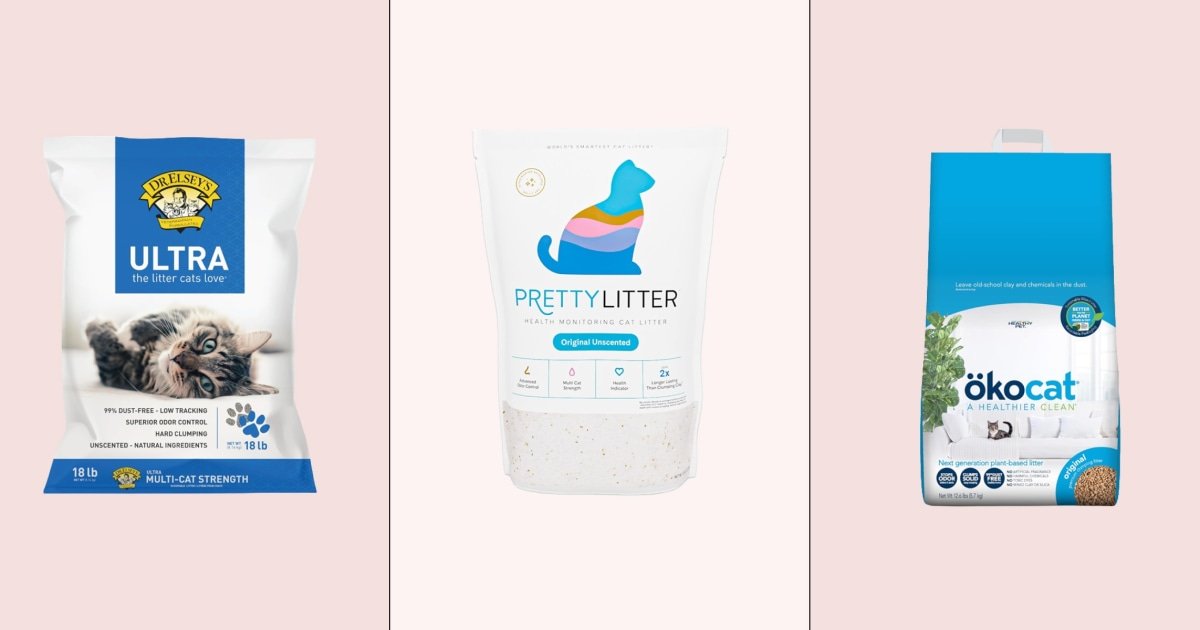
Choosing the right cat litter can feel overwhelming. Material, particle size, scent, clumping ability, dust, and tracking all matter—plus your cat’s preferences and the type of litter box you use. Cats are particular, and if they dislike their litter, they may avoid the box entirely, leading to accidents elsewhere. To help you navigate the options, we spoke with veterinarians and gathered tried-and-true recommendations from pet parents. Below, you’ll find the best cat litters of 2026, along with expert guidance on scooping, transitioning, and spotting potential health issues.
The Best Cat Litters of 2026
We curated this list based on personal experience, recommendations from staff, and veterinarians’ guidance. Each pick includes details on material, clumping, scent, dust, tracking, and litter box compatibility.
Best Litter Overall: Arm & Hammer Clump & Seal Multi-Cat
Type: Clay | Clumping: Yes | Scented: Yes | Dust level: Low | Tracking: High | Litter box compatibility: Standard, automatic
This litter comes highly recommended by a foster who cares for multiple kittens year-round. It forms solid clumps that stay together, and its baking soda formula neutralizes odors effectively. Even in a small apartment with two litter boxes, guests never notice a smell. The litter slides out of the box without residue, and despite being scented, it hasn’t irritated cats with allergies. The main downside is tracking, which is common with clay litters.
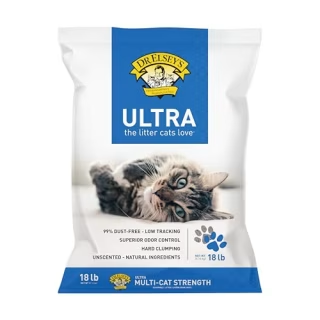
Best Clay Litter: Dr. Elsey’s Ultra Premium Clumping Cat Litter
Type: Clay | Clumping: Yes | Scented: No | Dust level: Low | Tracking: High | Litter box compatibility: Standard, automatic
Dr. Elsey’s offers specialized formulas and clumps very well. It’s suitable for multi-cat homes and is unscented, making it a good choice for sensitive cats.
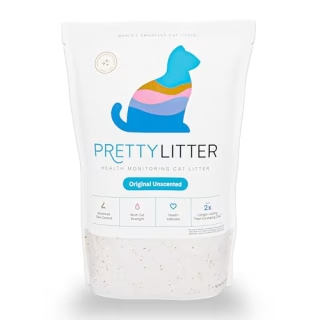
Best Crystal Litter: PrettyLitter
Type: Silica crystal | Clumping: No | Scented: Unscented and scented options | Dust level: Low | Tracking: Medium | Litter box compatibility: Standard, automatic
PrettyLitter offers built-in health monitoring, is highly absorbent, and lightweight. However, it comes at a higher price point, can be hard to clean, and isn’t ideal for multi-cat homes.
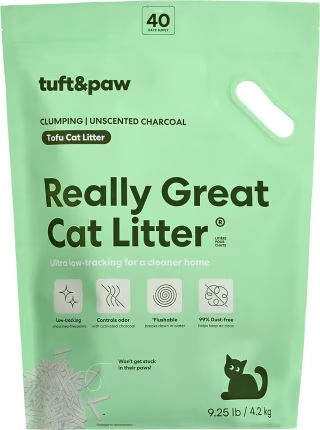
Best Plant-Based Litter: Tuft & Paw Really Great Cat Litter
Type: Plant-based | Clumping: Yes | Scented: Unscented and scented options | Dust level: Low | Tracking: Low | Litter box compatibility: Standard
Made from tofu (soybeans) and infused with charcoal, this litter neutralizes odors and comes in larger, log-shaped pellets. It clumps well and is low-tracking, meaning less vacuuming. While the brand says it’s flushable, experts recommend against flushing cat litter. Note that not all cats like big pellets, and it’s pricier.
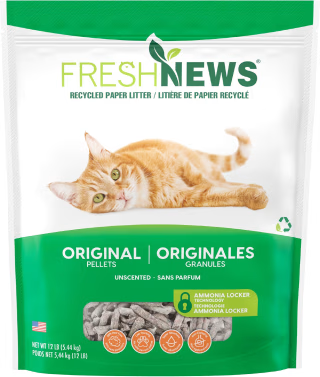
Best Paper Litter: Yesterday’s News Original Paper Cat Litter
Type: Paper | Clumping: No | Scented: Unscented and scented options | Dust level: Low | Tracking: Low | Litter box compatibility: Standard
This paper litter is soft, highly absorbent, and virtually track-free. It’s made from 100% recycled paper pellets and baking soda for odor control. However, it doesn’t clump, so cleaning can be difficult, and it’s not ideal for multi-cat homes. It’s a good option after surgery.
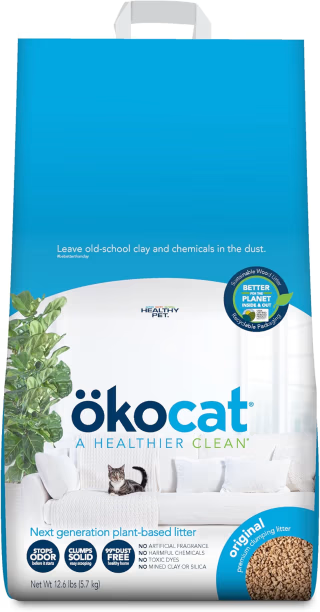
Best Wood Litter: Ökocat Natural Wood Cat Litter
Type: Wood | Clumping: Yes | Scented: Has a natural scent, no artificial fragrances | Dust level: Low | Tracking: Medium | Litter box compatibility: Standard
Ökocat’s wood litter has a softer texture, clumps well, and effectively masks odors. It has a natural woody scent that may deter some cats, so monitor your pet’s habits. An unscented version is available but may not control odors as well. Some sawdust may appear at the bottom of the box.
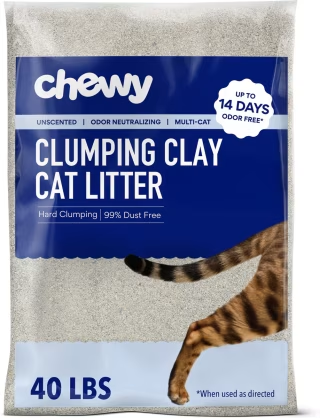
Best Budget Litter: Chewy Clumping Clay Cat Litter
Type: Clay | Clumping: Yes | Scented: Unscented and scented options | Dust level: Low | Tracking: High | Litter box compatibility: Standard, automatic
Chewy’s Clumping Clay Cat Litter is a cost-effective, no-frills option. It clumps well, masks odors with deodorizing ingredients, and comes in a large bag that lasts a while. It’s suitable for multi-cat homes.
How We Picked the Best Cat Litters
We evaluated each litter based on veterinarians’ guidance, considering material, clumping, scent, dust, and tracking.
- Material: Clay, silica crystal, paper, wood, and plant-based materials each have pros and cons. We included a variety to cover different preferences.
- Clumping: Clumping litter is easier to clean and reduces odor. We prioritized clumping options but noted non-clumping ones.
- Scent: Unscented is generally best, as cats have sensitive noses. Most picks are unscented, with a few exceptions.
- Dust level: Low-dust litter is better for respiratory health. We only recommended naturally low-dust or specifically labeled low-dust litters.
- Tracking: Larger, heavier particles track less. We noted tracking levels for each litter.
How to Shop for Cat Litter
When shopping, focus on these factors:
Types of Cat Litter
There’s no single best type; it depends on your cat. Here’s what to know:
- Clay litter: Most common, low-priced, small particles, clumps well, but heavy, tracks, and can be dusty.
- Silica crystal litter: Lightweight, low-dust, highly absorbent, but doesn’t clump, can track, and texture may not appeal to all cats.
- Paper-based litter: Soft, lightweight, low-dust, low-tracking, but larger particles and variable odor control.
- Wood-based litter: Absorbent, low-dust, relatively low-tracking, but larger particles and iffy clumping and odor control.
- Plant-based litter: Biodegradable, natural odor control, absorbent, lightweight, but clumping, dust, and tracking vary. Check ingredients if your cat has allergies.
Clumping vs. Non-Clumping
Clumping litter forms solid masses that are easy to scoop, reducing odor and making it easier to monitor bathroom habits. Non-clumping litter requires more frequent full changes and doesn’t trap odors as well.
Scented vs. Unscented
Unscented is generally better because cats have sensitive noses. Scented litters may deter them. Look for odor-neutralizing ingredients like activated charcoal or baking soda instead of fragrances.
Dust Level
Low-dust litter keeps the area cleaner and reduces respiratory irritation. Look for litters labeled low-dust or naturally low-dust materials like crystal, paper, and wood.
Tracking
Larger, heavier particles track less. Paper, wood, and plant-based pellets are lowest tracking, but many cats prefer fine, sand-like textures. Mixing litters can help reduce tracking if your cat doesn’t mind.
Best Litter for Kittens
Non-clumping plant-, wood-, or paper-based litter is best for kittens, as they may ingest particles. Natural litters reduce the risk of digestive issues.
Best Litter for Senior Cats
Stick with what they’re used to. Changes can mask health issues. If you must switch, do so gradually.
Frequently Asked Questions
How often should you clean cat litter?
Scoop at least once a day, more often with multiple cats. Regular scooping prevents odors, reduces contaminants, and helps you notice health changes.
How often should you replace cat litter?
Replace clumping litter every 2–3 weeks; non-clumping weekly. Adjust based on material and number of cats. Clean the box with mild, unscented cleanser when replacing.
How should you dispose of cat litter?
Scoop into a plastic bag, seal, and put in the trash. Don’t flush, compost, or put it outside. Wash hands after handling.
How much litter should be in a litter box?
At least 2–3 inches. For clumping litter, leave 2 inches of space between the litter and the top of the box for proper clumping.
What’s the best cat litter after surgery?
Your vet may recommend low-dust, non-clumping paper pellets to prevent irritation or infection. Only switch if your vet advises, as cats can be stressed by changes.
How can you tell if your cat doesn’t like its litter?
Signs include hesitating to enter the box, perching on the edge, avoiding digging, shaking or licking paws excessively, quickly leaving the box, or going outside the box. These can also indicate medical issues, so consult your vet if concerned.
How do you switch your cat’s litter?
Gradually mix new litter into old over about two weeks, or place a second box with new litter beside the old one. Keep the box extra clean and don’t change its location. If problems persist, revert to the old litter and consult your vet.
Meet Our Veterinary Experts
- Dr. Tom Vega is the DVM ambassador at Roo and founder of Concierge Companions Vet Med.
- Dr. Courtnee Morton is a veterinarian at Chewy.
- Dr. Enio Sanmarti is the medical director of VEG ER for Pets in Fort Lauderdale.
Why Trust Us
Our reporter has covered pet products for over six years, including articles on cat food, treats, toys, and carriers. For this article, we interviewed three veterinarians and drew on personal experience with two cats and volunteer work with stray cats.