

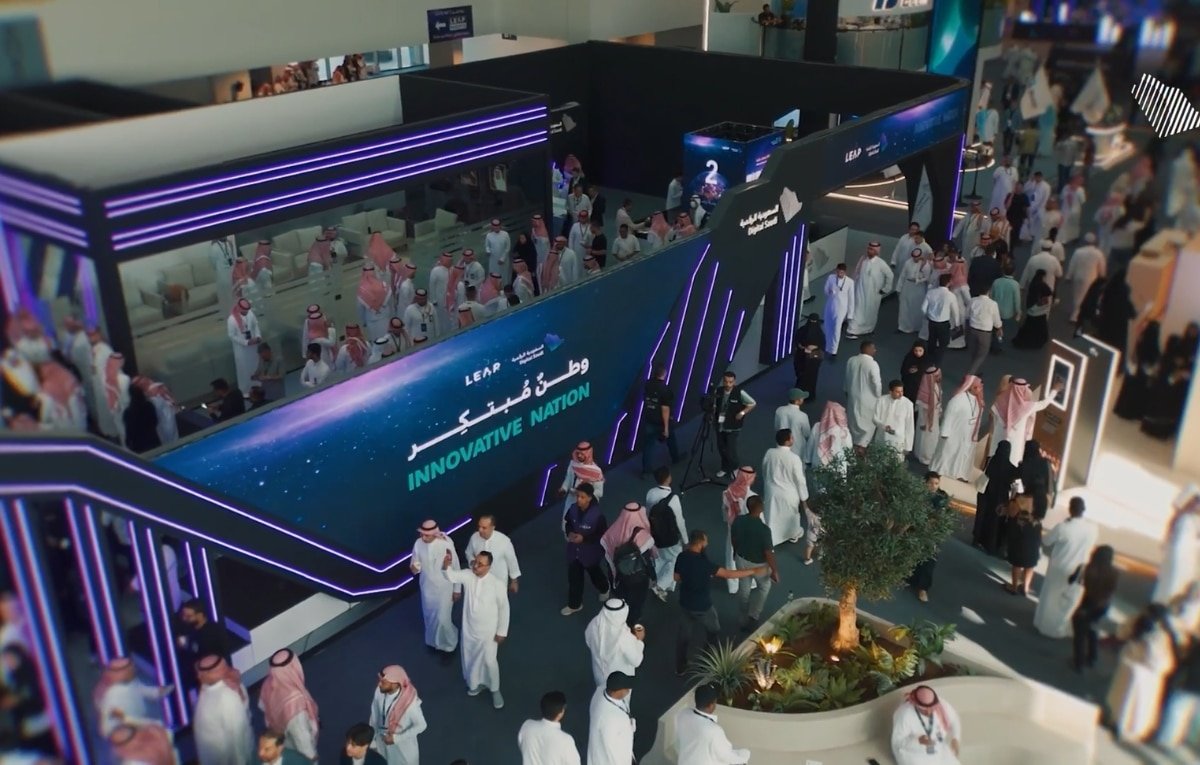
The Digital Saudi Arabia pavilion wrapped up its participation in LEAP 2026, concluding a dynamic showcase of digital innovation, strategic partnerships, and national success stories. The pavilion brought together more than 40 government entities to demonstrate their digital transformation journeys, highlighting the integration achieved across the Kingdom’s digital government ecosystem and the use of modern technologies, including artificial intelligence, to enhance services and improve user experiences.
Key Outcomes and Achievements
During the four-day event, the pavilion witnessed the signing of over 30 agreements and memoranda of understanding, the launch of more than 20 digital products and platforms, and the presentation of over 12 success stories. In addition, 15 dialogue sessions and workshops were organized, along with three recognition ceremonies. These results reflect the diverse government participation, ranging from launching digital solutions and building partnerships to sharing experiences and expertise.
AI and Modern Technologies Take Center Stage
Artificial intelligence and modern technologies were prominent themes in the launches announced at the pavilion. The Ministry of Media launched its sectoral platform for the media industry, which consolidates sector platforms with comprehensive government objectives and unifies services through a single digital gateway.
The Ministry of Environment, Water, and Agriculture introduced the smart voice assistant “Namaa AI” to facilitate user access to services on the “Nama” platform. Meanwhile, the Saudi Food and Drug Authority unveiled “Pro-Verifier,” a service that uses AI for intelligent product verification.
In a significant move, the Ministry of Hajj and Umrah announced the complete cloud transformation of the “Nusuk Digital” ecosystem, enhancing the flexibility, efficiency, and continuity of digital services provided to pilgrims and visitors.
Strategic Partnerships and Collaborations
The pavilion also served as a hub for forging partnerships, with agreements and memoranda signed in areas such as artificial intelligence, cloud computing, digital transformation, and innovation. Notable among these was a memorandum of understanding between the Digital Government Authority and the National Center for Privatization to enhance the financial sustainability of digital government operations. Additional partnerships were established between government entities, national universities, and local and international technology companies.
Showcasing National Success Stories
<pNational success stories received significant attention at the pavilion. The National Cybersecurity Authority presented its experience with the national cybersecurity services portal “Hasin,” while the National Water Company showcased its experience with the national SCADA monitoring and control center. Other entities shared experiences in the transportation and logistics sectors, illustrating how technology adoption has improved operational efficiency and service development.
Government Integration and Recognition
Government integration was another key focus, highlighted by the recognition of 62 government entities that have fully integrated their services into the national super-app “Tawakkalna.” This milestone underscores the collaborative efforts to streamline user access to services and deliver a more connected and seamless digital experience.
Knowledge Exchange and Future Outlook
The pavilion hosted 15 dialogue sessions and workshops that explored the future of government services, artificial intelligence, and digital transformation across various sectors. These sessions brought together government representatives, experts, specialists, and technology partners, facilitating the exchange of experiences and discussions on opportunities to further develop the digital services ecosystem.
As the participation concluded, the Digital Saudi Arabia pavilion presented a comprehensive picture of the Kingdom’s digital transformation journey, characterized by expanding integrated government services and platforms, increasing adoption of AI and modern technologies, and a strong focus on building a user-centric digital experience.
These achievements align with the goals of Saudi Vision 2030 and reflect the Kingdom’s progress in digital government, reinforcing its commitment to building a more integrated, innovative, and efficient government ecosystem that enhances service quality and improves the user experience.