

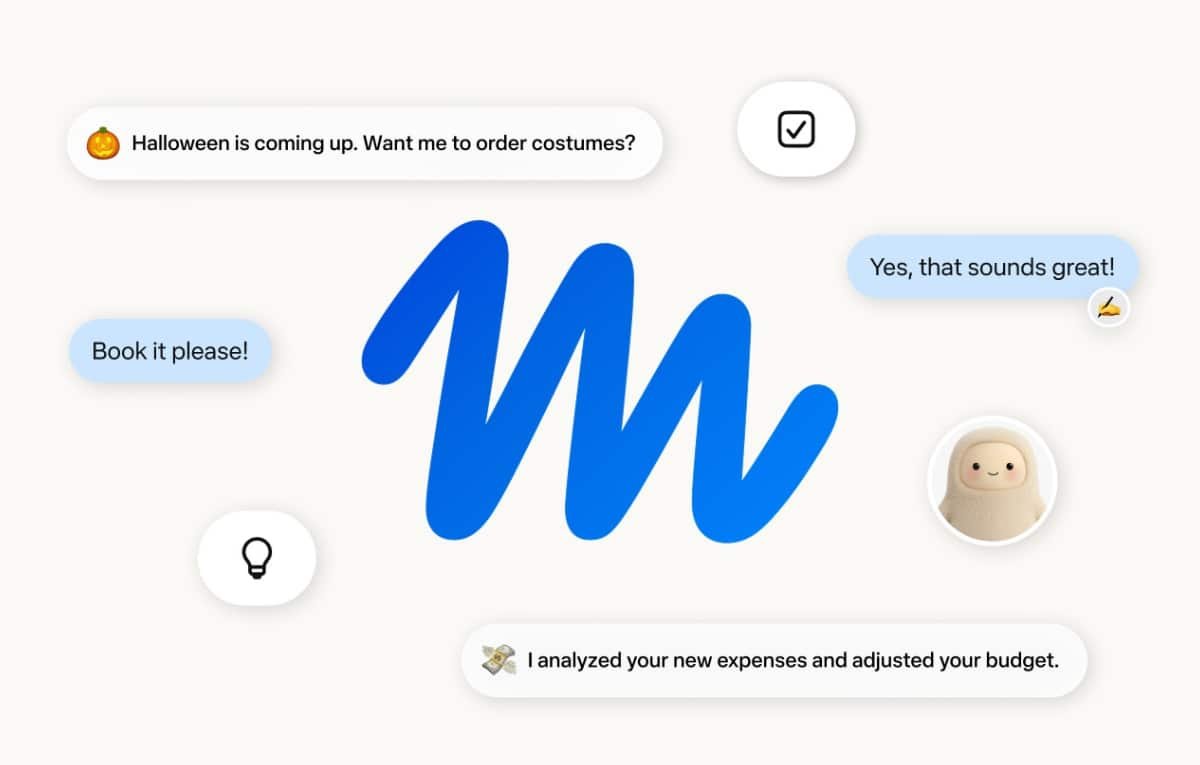
Meta has announced the launch of Muse, a personal AI agent designed to help users complete tasks and projects rather than simply answer questions. Muse transforms user goals into actionable plans and then carries them out on the user’s behalf, from sending emails and booking trips to handling more complex tasks that require planning and coordination.
How Muse Works

Muse is built to interact in a way that resembles communicating with another person. Users can talk to it through a dedicated app or via WhatsApp, specify what they want to accomplish, and leave the execution to the agent.
The agent is powered by the Muse Spark model, which Meta describes as its most powerful and efficient model to date, specifically designed for completing real tasks. Muse can open a web browser, fill out forms, and negotiate on the user’s behalf. It continues working on long-term tasks even after the app is closed and returns to the user when approval is needed for an important step, such as sending an email or completing a purchase.
Muse can remember user interests and preferences, allowing it to offer more relevant suggestions. For example, it can turn a saved Instagram recipe into a shopping list, prepare a menu for a dinner party, or remember the dietary preferences of the user’s friends.
Security Architecture and Enhanced Privacy
Meta developed the Muse Secure VM environment to run the agent. This is an independent virtual computer in the cloud that hosts Muse and user data securely. A security agent called Sentinel works alongside it, isolated from Muse at the system level. Sentinel controls Muse’s internet access and requests user approval when needed.
Meta states that Muse does not directly access passwords or payment data. Login credentials are stored in a secure location that allows the agent to use them without revealing them. Muse also requests user approval before performing sensitive actions and provides an audit log showing the operations it has performed or intends to perform.
Users can specify which apps Muse can access and the scope of permissions granted, and can modify or revoke these permissions at any time. They can also choose not to use their personal interactions for training Meta’s models. Conversations and virtual device data are not shared with the company’s advertising systems.
For purchases, Muse can use Stripe’s Link platform, which offers purchase protection benefits, along with a one-time payment card to protect actual card details. Meta plans to add support for services like Shop Pay and 1Password in the future.
The company intends to launch Muse Confidential VM later this year, with full encryption of user data and conversations using a private key that Meta cannot access.
Availability and Pricing
Meta is initially rolling out Muse in the United States via iOS, Android, and the web, with plans to make it available on smart glasses in the future. Most core features will be available for free, with optional subscription packages for advanced features.